The Sovereignty of God
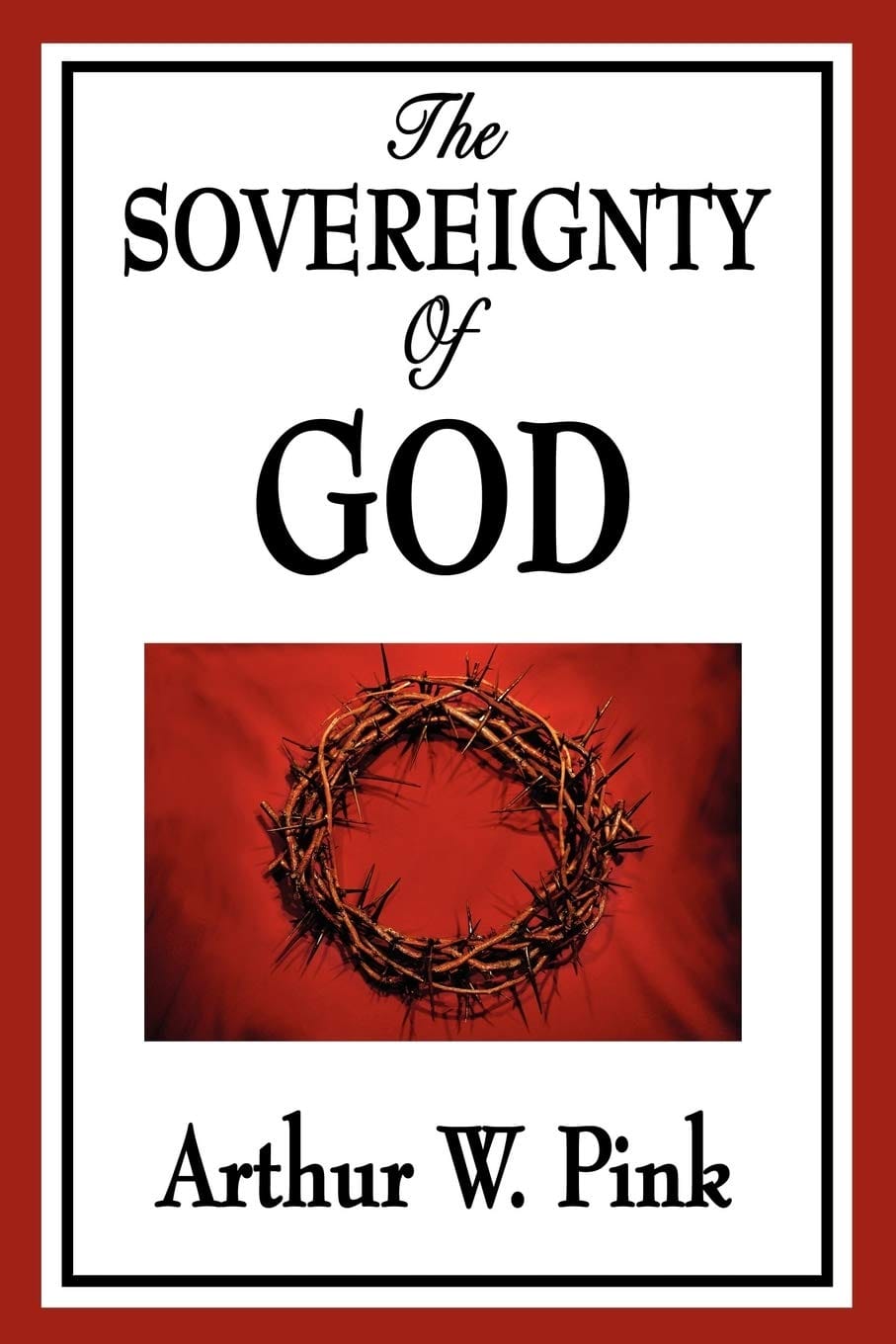
My father-in-law gifted a copy of Arthur W. Pink's book to myself and each of his sons and sons-in-law this past Christmas (seven copies in all, I think). I'll probably have more than one post come from reading it. I've only scratched the surface, so these are just some surface thoughts.
It's Old
The first thing that struck me was that it was originally authored in 1918. I knew it wasn't a recent book, but I didn't realize it was 108 years old. This is actually fortuitous in a mostly unimportant way. I remember reading something from Joshua Gibbs on old things having value – possibly a quote from his book.
“It is natural to care for those who have cared for us, but at the point a man has been dead a hundred years, no one alive who yet cares for him has any natural reason for doing so. In the several decades following a man’s death, those who knew him might carry a torch for his memory, describe the love they received from him, and champion the spirit they have inherited from him. However, if people are still willing to listen to a man one hundred years after his death, he speaks from the grave. After natural affection passes, if any affection remains, it is supernatural.”
If a book, or music, or whatever, has survived the test of time, it is probably good. In contrast, I'm reasonably certain that most Contemporary Christian Music, social media influencers and self-help books will be forgotten long before then (thankfully!). But my point is, this book by Pink has stood the test of time.
One and Done
Pink contrasts Moses and Hezekiah while discussing the topic that:
God bestows His mercies on whom He pleases and withholds them as seems good to Himself.
It's not like I don't know the stories and details of both men, having listened to Sunday School lessons and sermons my entire life, but I had never considered Moses' situation so plainly:
The sentence of death was passed upon Moses for one act of disobedience. "The LORD was wroth with me for your sakes, and would not hear me: and the LORD said unto me, Let it suffice thee."
or in contrast to Hezekiah:
In those days was Hezekiah sick unto death. And the prophet Isaiah the son of Amoz came to him, and said unto him, Thus saith the LORD, Set thine house in order; for thou shalt die, and not live. Then he turned his face to the wall, and prayed unto the LORD, saying, I beseech Thee, O LORD, remember now how I have walked before Thee in truth and with a perfect heart, and have done that which is good in Thy sight. And Hezekiah wept sore.
And it came to pass, afore Isaiah was gone out into the middle of the court, that the word of the LORD came to him, saying, Turn again, and tell Hezekiah the captain of my people, Thus saith the LORD, the God of David thy father, I have heard thy prayer, I have seen thy tears: behold, I will heal thee: on the third day thou shalt go unto the house of the LORD. And I will add unto thy days fifteen years."
So, why did God bestow such a blessing on Hezekiah and seemingly act quite harshly towards Moses? As my kids would no doubt say: that's not fair! The point is though, God acts in a manner to please Himself, His will and His plan – not you. Nor does He subject Himself to your (or my) feelings on right vs wrong.
As an aside, I have wondered from time to time whether the prophets sort of dragged their feet a bit when departing some places, thinking that maybe God was going to turn them around, and they'd rather not be way down the road when that happened. "Yeah, you get your fifteen years, but now I'm going to be last in the lunch line and all of the good deserts go first." The prophets were human after all.