Why Our Dreams Are Visual
A theory holds that dreams exist so the visual cortex can defend its turf, keeping the occipital cortex active at night so neighboring senses do not muscle in during the dark. I wonder if frustration at a learning curve is me fighting my own diminishing plasticity.
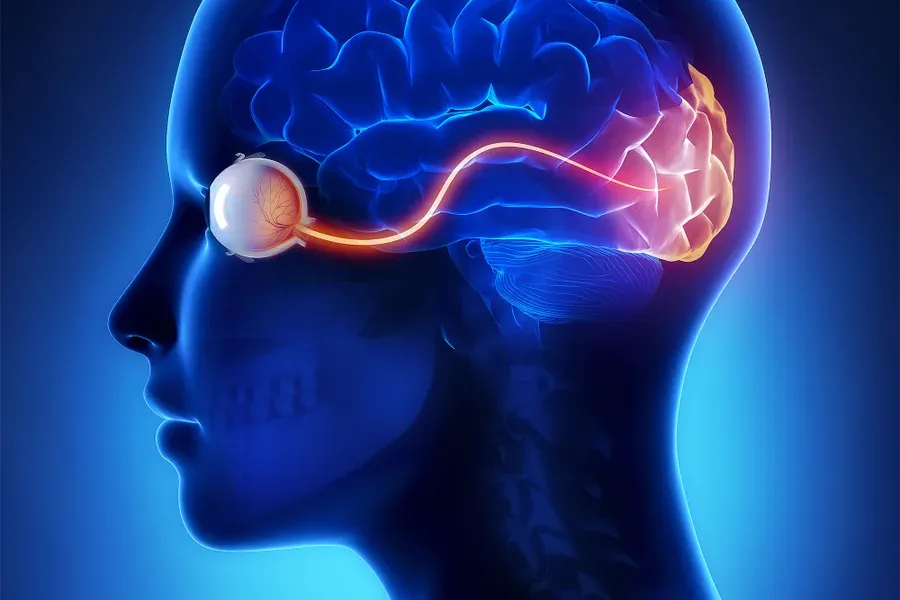
A theory holds that dreams are a way for the visual cortex of the brain to “defend its turf” against being “taken over” to process inputs from other senses.
 Roberta McLain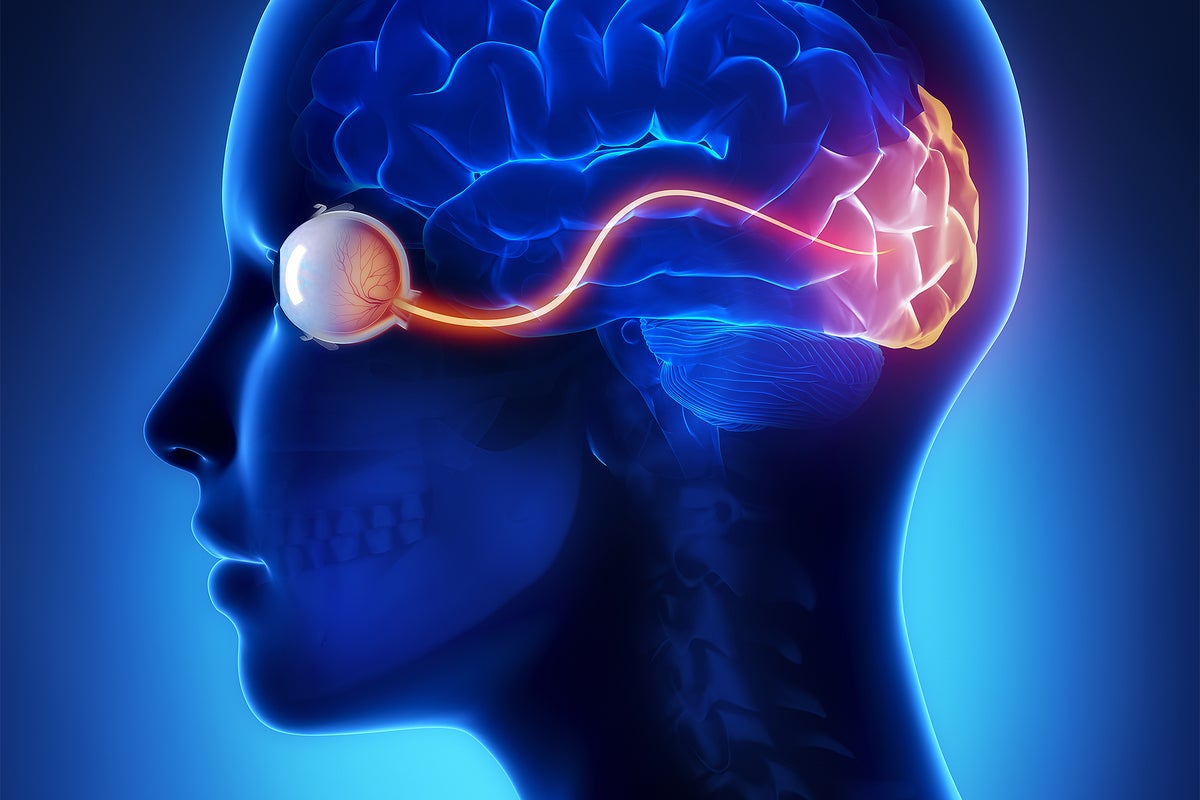
Why don't these summary articles ever link to the source material?
What’s the visual equivalent of “in one ear and out the other”? Sometimes when I’m reading I suffer from that. I remember around maybe 1st or 2nd grade, having to read something for school, my father sat there and listened. Once I’d finally finished, he asked me what it was about. “I don’t know; I wasn’t paying attention.” I think he laughed at that. I read it, as instructed. Anyway, this topic, explaining the plasticity of the brain — how if some function, such as visual processing, wants to keep its territory, it must keep using its territory or it’ll be assigned to another task — was captivating and has stuck with me ever since.
If you’re sleeping a third of each day, other functions like hearing or touch might muscle out visual processing. To counteract this, your brain dreams visually, which helps maintain that compute capacity. The amount of REM sleep you need correlates to the plasticity of your brain: babies need lots; old people, less.